

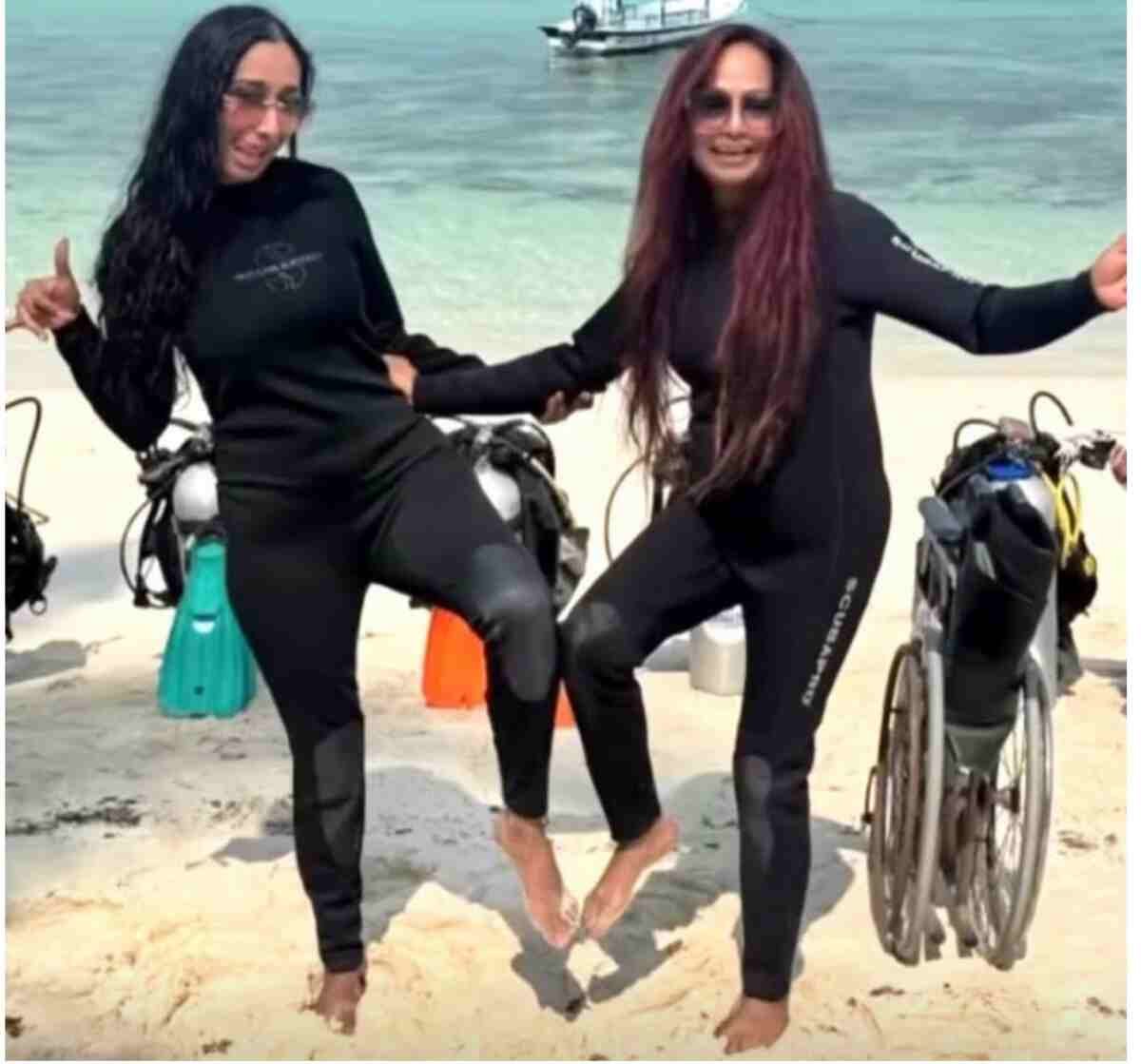
By Staff Reporter | June 8, 2026: On World Oceans Day 2026, the global dialogue surrounding marine conservation is expanding to address a critical question: how inclusive is our access to the ocean?
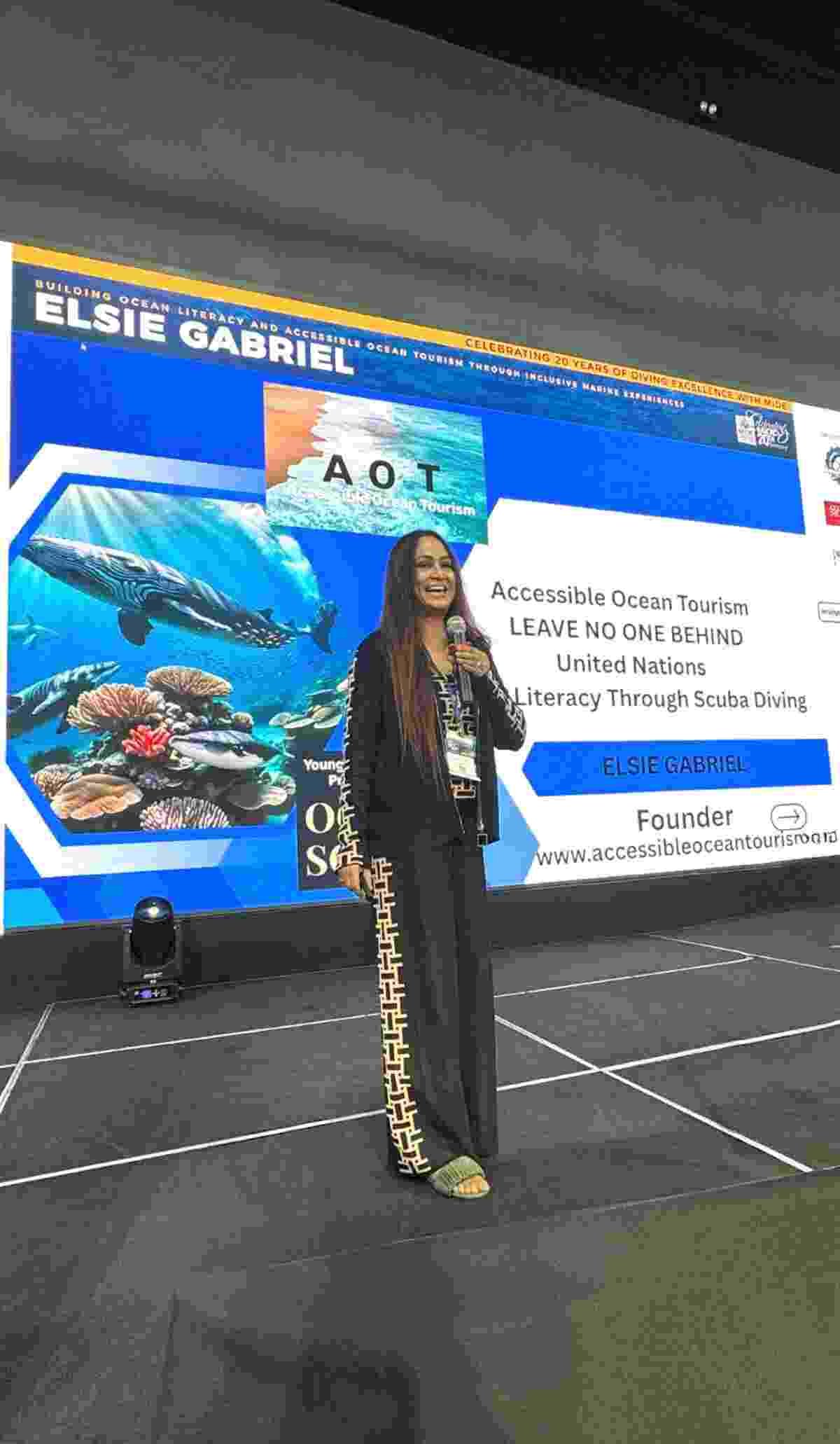
For ocean educator and accessibility advocate Elsie Gabriel, founder of Accessible Ocean Tourism, the future of marine conservation and coastal travel relies on making dive centres, resorts, and tourism operators fully accessible. This involves catering to persons with disabilities, senior citizens, neurodiverse individuals, and anyone requiring additional support.
“The ocean is not exclusive—it is shared. But access to ocean experiences is still not equal. If we want truly sustainable ocean tourism, we must redesign systems so that everyone can participate safely, confidently, and with dignity,” says Gabriel.
The Missing Link in Ocean Tourism: Digital Accessibility
One of the most significant barriers for travellers with disabilities is the lack of clear, readily available information. Tourists often struggle to find accessibility details on dive centre websites, booking platforms, and travel brochures.
Travellers frequently need answers to critical questions before booking a trip:
-
Are the dive centres trained in adaptive scuba diving?
-
Is the staff certified to assist divers with disabilities?
-
Is accessible transport available to the dive sites?
-
Are boats, entry points, and equipment suited for various mobility needs?
-
Can senior citizens safely participate with additional on-ground support?
-
Are the accommodations and facilities suitable for neurodiverse travellers with sensory sensitivities?
Gabriel emphasizes that digital accessibility is the crucial first step toward real-world inclusion, noting that transparency builds trust and confidence before a traveller even leaves their home.
Transforming Dive Centres into Inclusive Gateways
Across India’s stunning coastlines—including Goa, Kerala, the Andaman Islands, and Lakshadweep—as well as global destinations, Gabriel works alongside dive operators to establish a new standard for inclusive marine tourism.
She strongly advocates for dive centres to adopt structured accessibility frameworks, which must include:
-
Adaptive scuba diving training and dedicated certification pathways
-
Disability-aware dive instructors and comprehensive safety briefings
-
Accessible boats equipped with ramps, entry ladders, and transfer systems
-
Modified diving equipment catering to physical and mobility limitations
-
Clear, pre-trip accessibility communication highlighted on official websites
-
Emergency preparedness tailored for diverse cognitive and physical needs
-
Sensory-friendly briefing environments designed for neurodiverse divers
“Scuba diving is already built on safety, teamwork, and precision. With the right training and infrastructure, it can also become one of the most inclusive adventure experiences in the world,” Gabriel notes.
Investing in Inclusive Coastal Infrastructure
Beyond the dive centres themselves, systemic changes are required across all coastal tourism infrastructure. Accessible ocean tourism demands strategic investment in inclusive facilities.
Key infrastructure upgrades should feature:
-
Wheelchair-friendly pathways leading to beaches and dive boats
-
Accessible restrooms and dedicated changing rooms
-
Non-slip surfaces and secure water-entry systems
-
Visual, auditory, and simplified communication tools for safety briefings
-
Specialized support services for seniors and assisted travel groups
-
Rigorous staff training focused on disability inclusion and emergency response
Designing for accessibility fundamentally improves safety and comfort for everyone, including families with young children, elderly travellers, first-time divers, and tourists recovering from injuries.
Expanding Ocean Experiences for Seniors and Families
There is a rapidly growing demographic of senior travellers who remain highly active and seek meaningful adventure experiences. With the right infrastructure, senior citizens can safely enjoy snorkeling, shallow dives, marine observation, and coastal exploration.
Similarly, families travelling with persons with disabilities are actively seeking out inclusive destinations. Rather than being separated by physical limitations, families want environments where everyone can participate together, creating shared emotional value that enhances the overall tourism experience.
A Pathway to Ocean Citizenship and Conservation
While accessibility vastly improves the travel experience, its most profound impact lies in education and marine conservation. Individuals with disabilities, when granted access to the ocean, frequently become passionate advocates for marine awareness, citizen science, and environmental protection.
“People protect what they experience and understand. When someone enters the ocean for the first time—regardless of ability—they often become lifelong ocean supporters,” explains Gabriel.
A Call to Action for World Oceans Day 2026
As we observe World Oceans Day 2026 and align with the goals of the UN Ocean Decade 2030, Gabriel is urging governments, tourism boards, dive associations, and private operators to implement immediate accessibility transformations.
Her actionable recommendations include:
-
Mandating accessibility information on all official tourism websites
-
Training dive professionals extensively in adaptive diving practices
-
Investing heavily in inclusive marine and coastal infrastructure
-
Partnering directly with disability and senior citizen advocacy organizations
-
Highlighting accessible ocean tourism prominently in official travel campaigns
The future of the expanding blue economy and coastal travel must be inclusive by design, ensuring that the ocean remains a shared space where exploration is never limited by age, background, or ability.

